
From £1 to £18,000: Glasgow’s Chinese centre fights for survival
For more than three decades, the centre has offered food, friendship and cultural connection — but now rising rents threaten to close one of the city’s last Chinese community hubs

By Gary Fanning
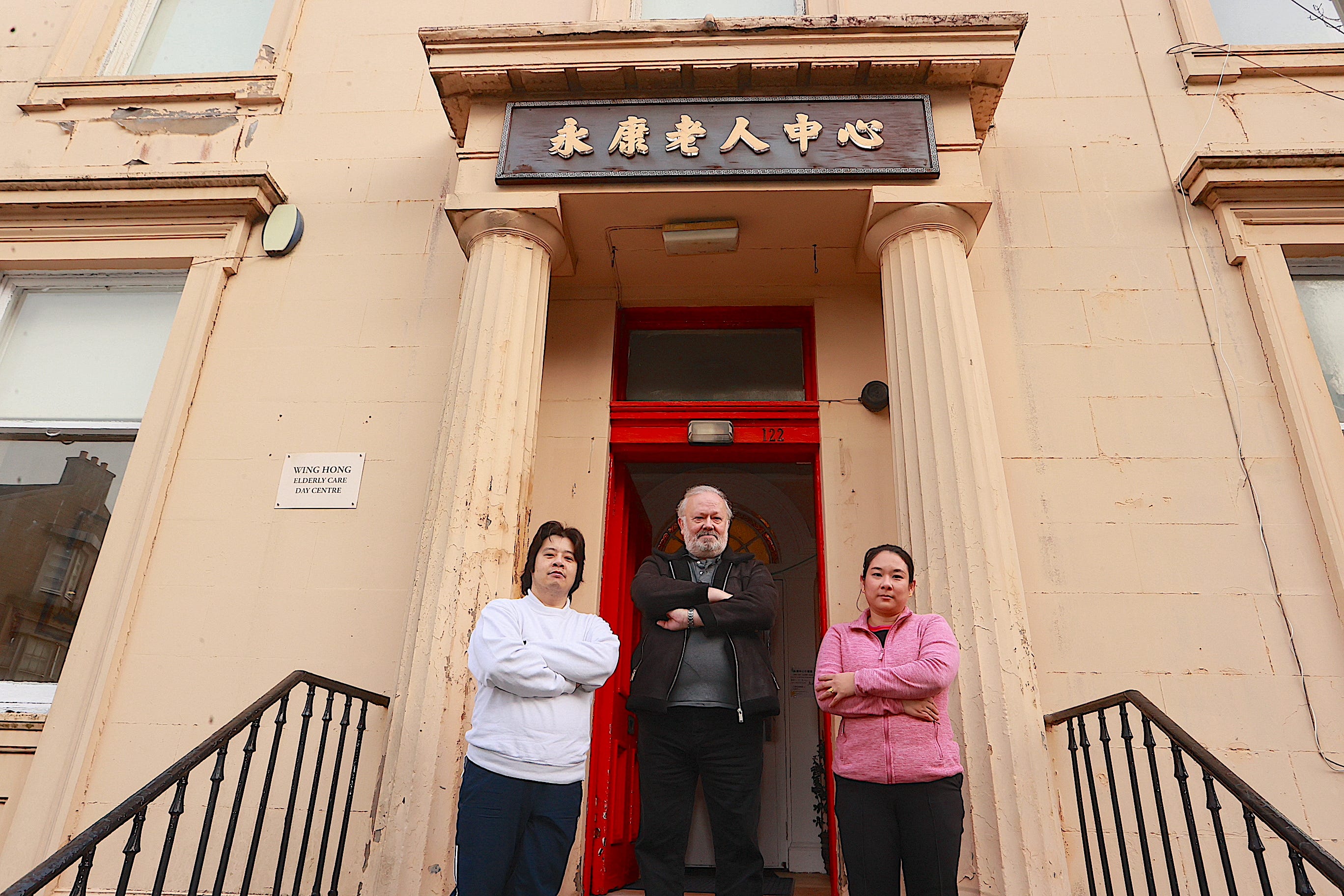
On a quiet corner of Hill Street in Garnethill, looking down on the M8 motorway at Charing Cross, sits a modest sandstone building with red paper lanterns in its windows.
Inside, the smell of jasmine tea and freshly steamed dumplings fills the air.
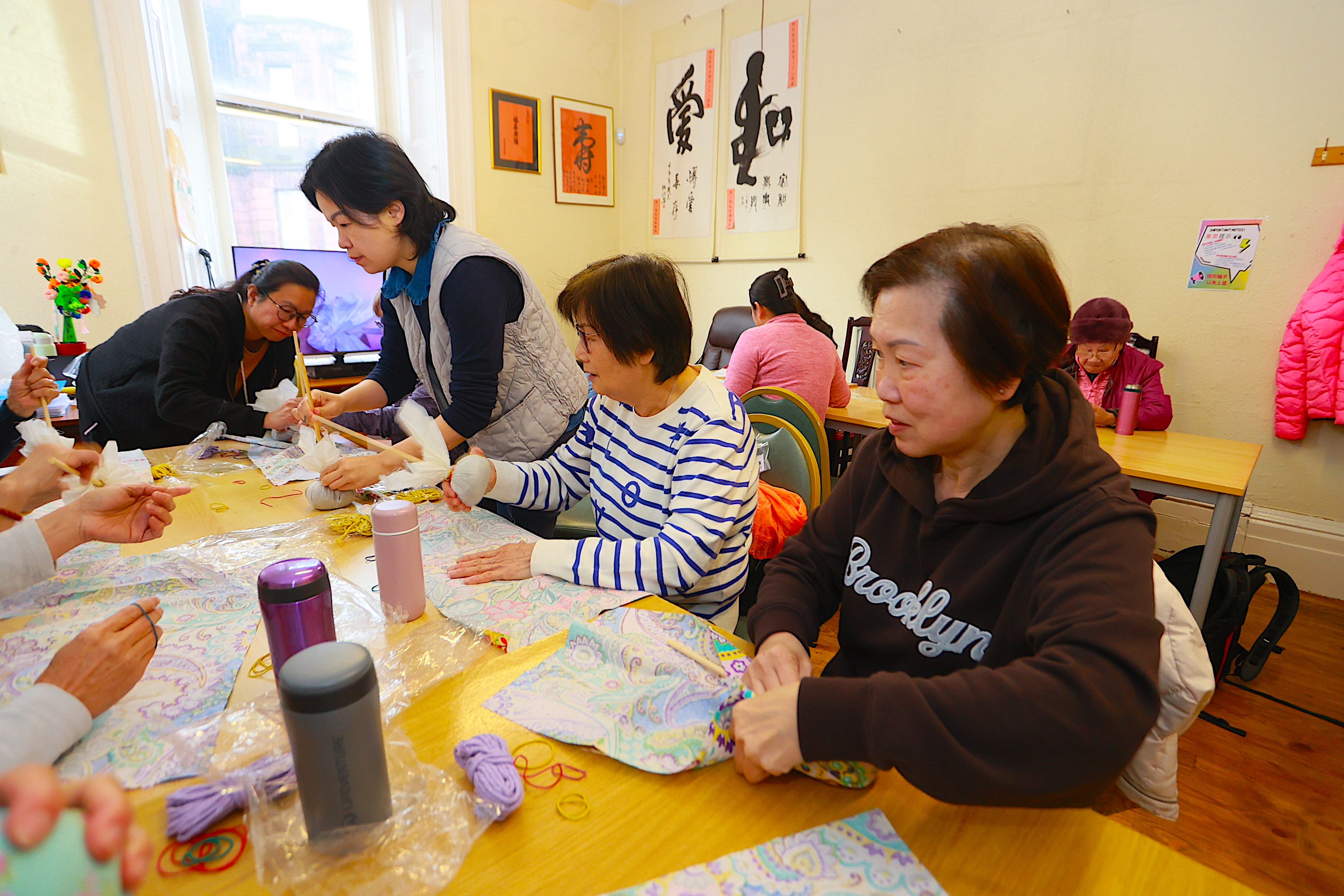
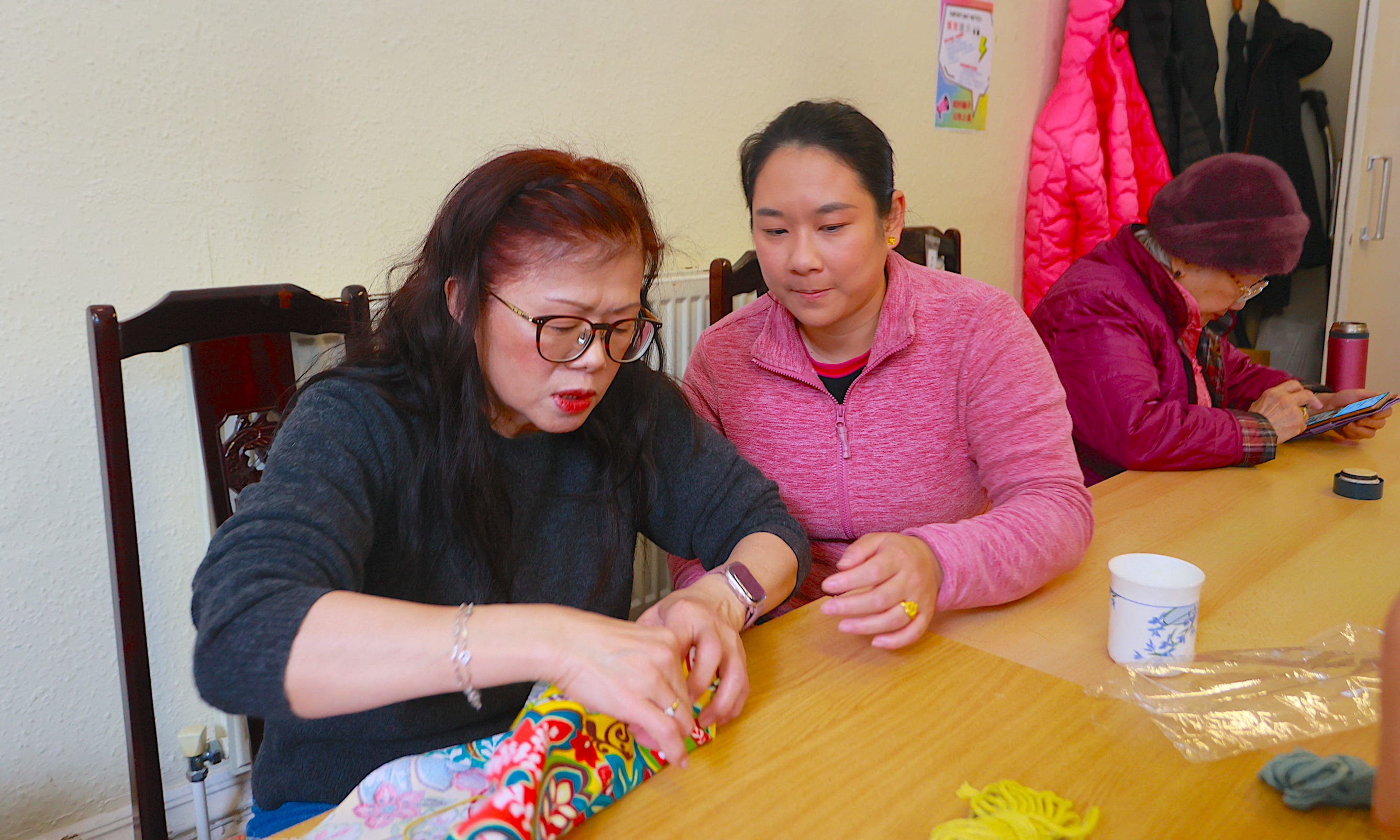
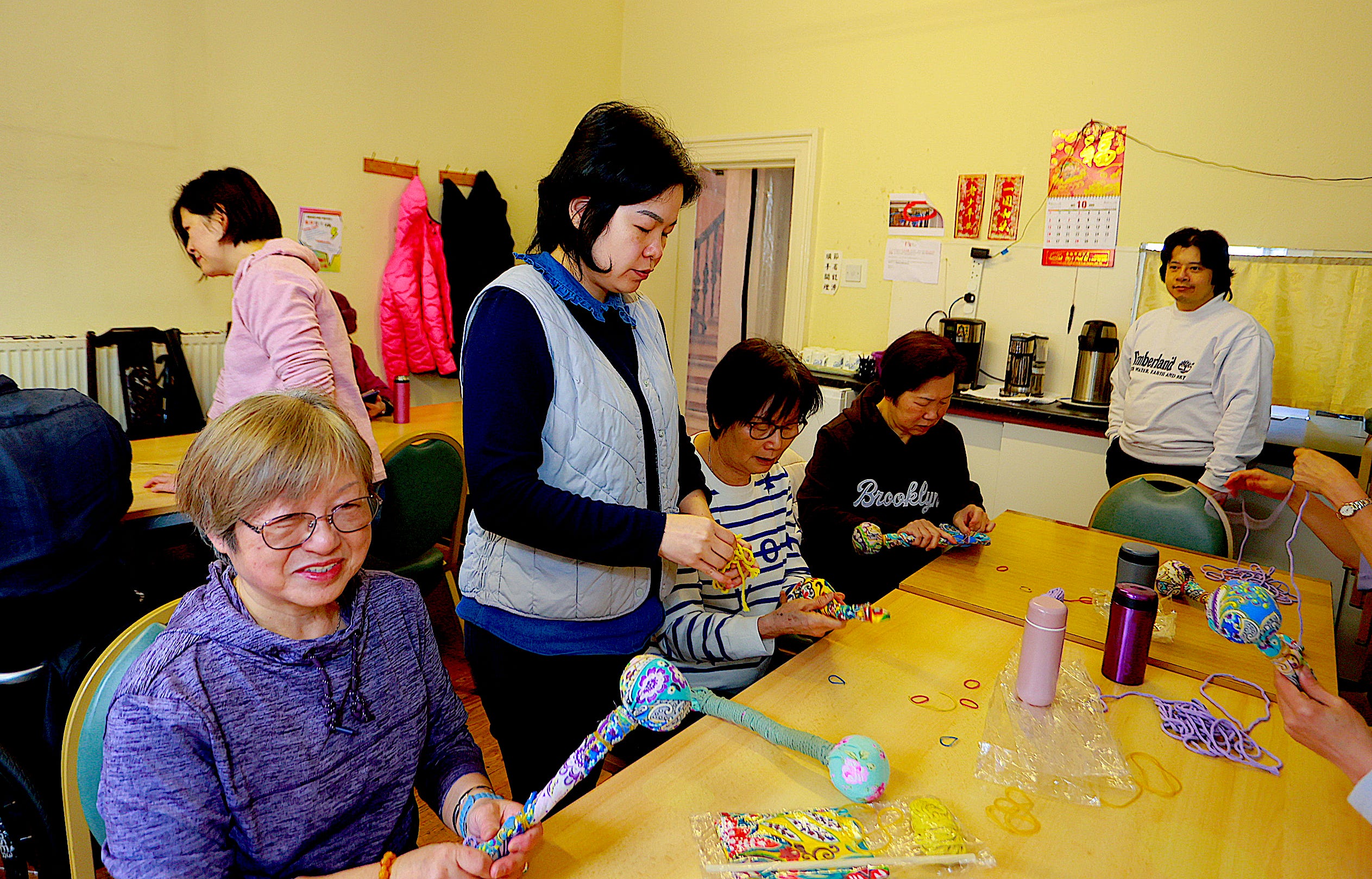
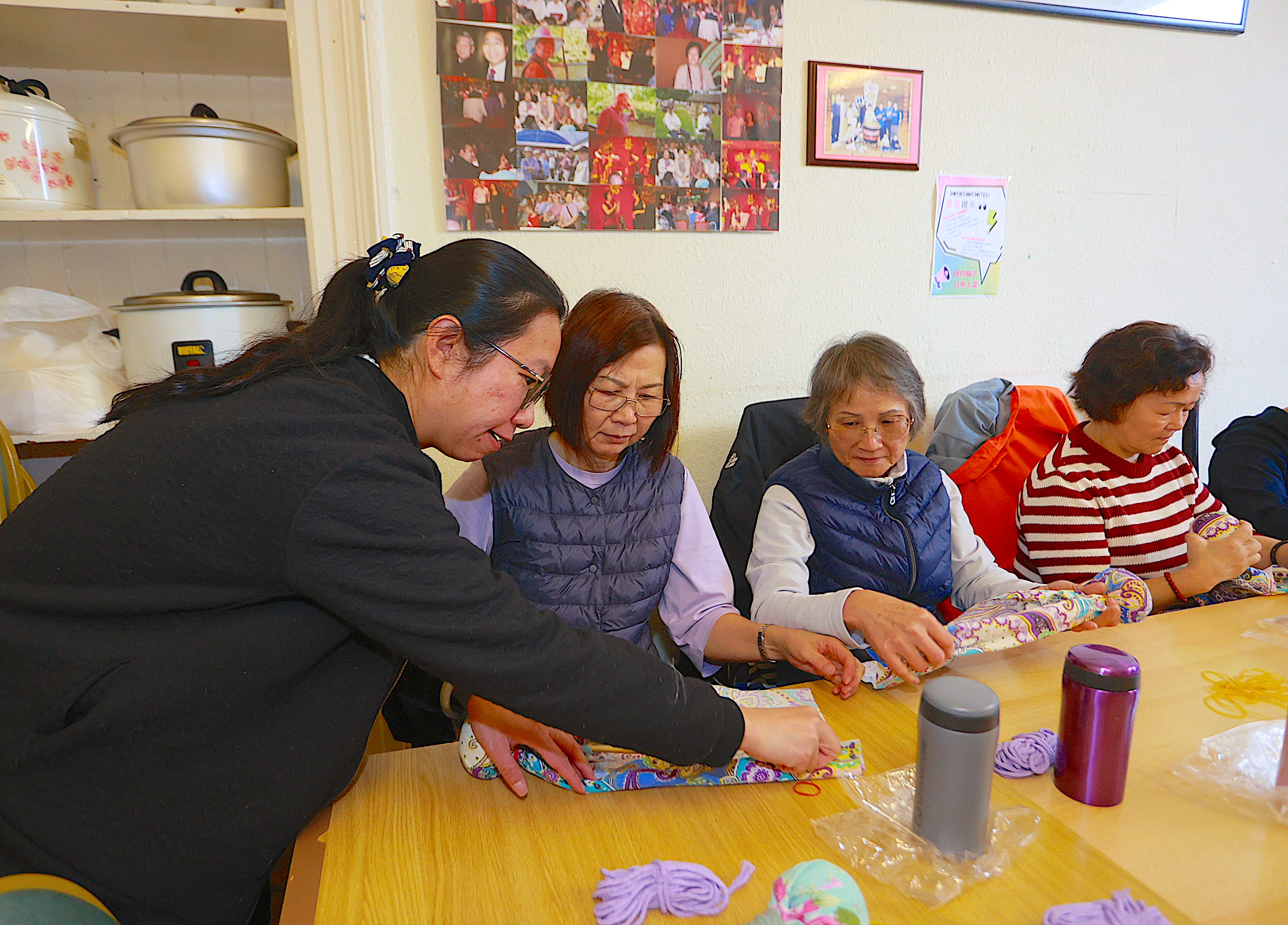
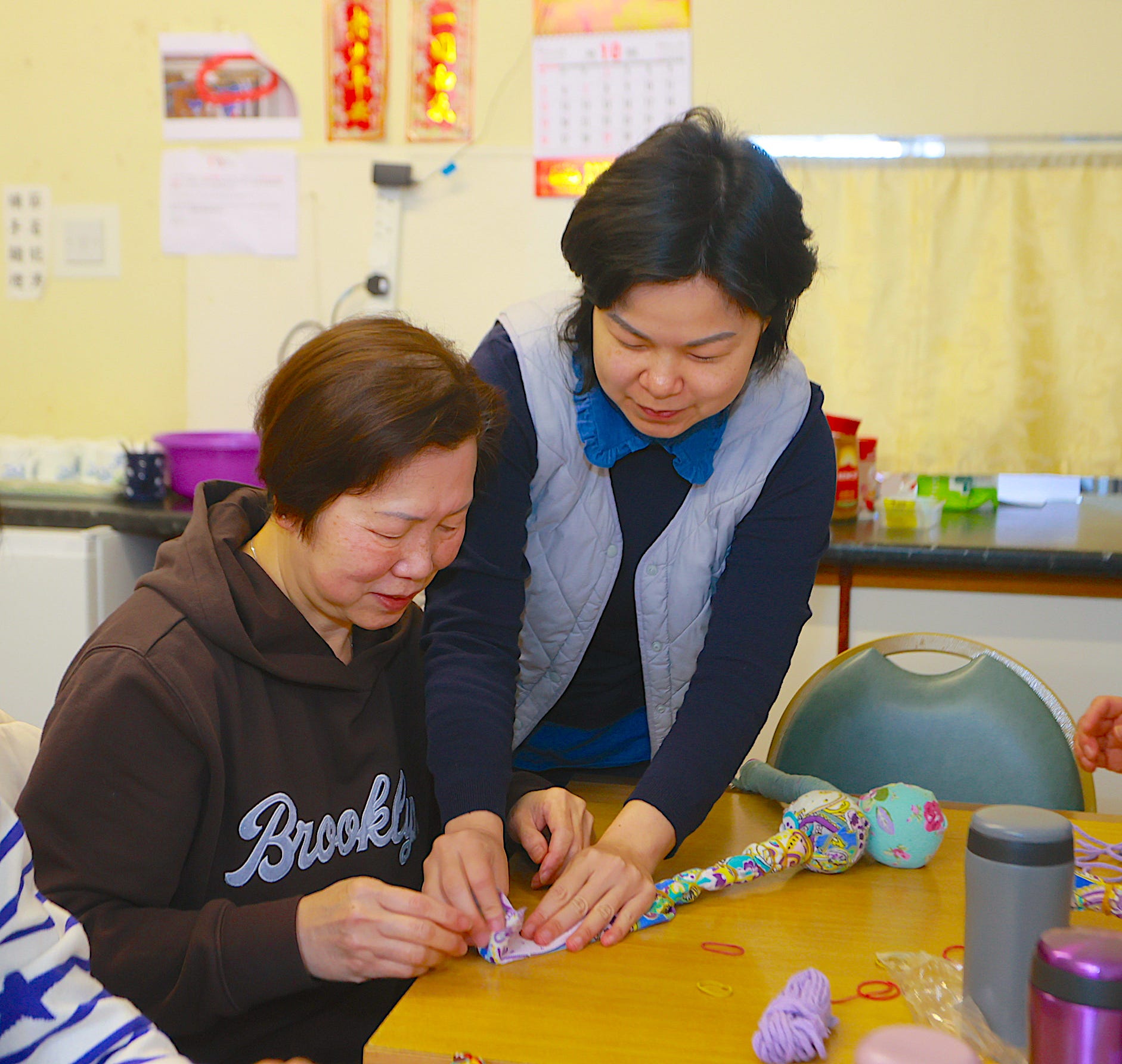
At one end of the hall, a group of elderly Chinese women sit together at tables learning massage techniques, using smooth wooden tools they’ve made themselves to relieve pain and improve circulation.
They giggle as they practice on each other’s shoulders, occasionally stopping for a biscuit or to pour another cup of tea.
This is the Wing Hong Elderly Centre, one of Glasgow’s last surviving Chinese community spaces — a small but vital hub for generations of people who made the city their home.
For more than three decades, it has been a sanctuary for four generations of the city’s Chinese community, a place where older residents can find friendship, food, and familiarity. It welcomes the wider community: neighbours drop in for lunch, students volunteer, and Chinese supermarkets donate food to support the centre’s lunch club.
But now, this much-loved institution faces the fight of its life.
From £1 a year to £18,000
Since 2004, the Wing Hong Centre paid a symbolic rent of £1 a year — a so-called peppercorn lease offered by Glasgow City Council in recognition of its community value.
But that goodwill is disappearing. The building is managed by City Property Glasgow (Investments) LLP, an arm’s-length company that oversees around 1,800 council-owned properties.
The 10-year-lease would include the rent and the group being responsible for all repairs and maintenance of the building.
The rent terms offered are:
Year 1: free
Year 2: £5,000 + VAT (£6,000)
Years 3–5: £10,000 + VAT (£12,000)
From Year 5 onwards: £15,000 + VAT (around £18,000 in total)
“They’re treating us like a commercial business,” says Amy Li-Man, the centre’s manager. “We’ve reminded them this is not just a building — it’s a community. It’s not only for Chinese people, it’s for Glasgow. But they say they just want the money to pay their mortgage. This area is culturally rich but will become culturally poor.”
Last month, Amy, together with CEMVO Scotland, Age Scotland, and ward councillor Eva Bolander, met with City Property to request a Community Asset Transfer—a legal process that allows charities to purchase or lease council-owned buildings at below-market rates in recognition of their social value—along with discussing other related matters.
Their proposal, which included covering repair costs as well as ongoing maintenance and upkeep of the building, was ultimately rejected.
Glasgow City Property also declined to consider revising the lease to include a lower rent or longer term, instead pressing the group to sign the agreement as quickly as possible.
“They told us the building has too much commercial value,” Amy says. “They want to make a profit. If they keep increasing the rent, we may have no choice but to close. The future is uncertain.”
“People Make Glasgow” — but who for?
What’s happening to Wing Hong isn’t an isolated story — it’s part of a citywide struggle. Around 130 charities and voluntary organisations are reportedly facing rent increases or lease reviews under City Property’s new financial strategy.
Critics say it reflects a shift in priorities — from community service to commercial return — as the company seeks to raise revenue and repay loans secured against council properties.
“City Property has become a pure money-making machine,” says Amy. “They don’t care how many years we’ve been here or what we give back to the city. They only care about profit margins. We expressed that this is harsh. They want us to enter the lease and pay the rent so that they can make money from us.”
That stance, she argues, sits uneasily with the city’s civic motto: People Make Glasgow.
“In practice, it feels like they’re doing the opposite,” she says. “They’re pushing out the very people who built this community.”
Local councillor Eva Bolander has expressed support for the centre’s campaign and Liman hopes the elected member can persuade Glasgow City council bosses to reconsider how its property arm deals with community organisations.
A deep-rooted history
The Wing Hong Centre was founded in 1989, when the first wave of Chinese migrants — many of them restaurant and takeaway owners — were reaching retirement age.
They wanted a place to gather, cook familiar food, and maintain cultural traditions in a city far from home.
Since then, the centre has grown into a lifeline. It offers lunch clubs, coffee mornings, health workshops, welfare benefits and housing advice, language suppor, counselling and befriending, transportation, funeral arrangement support and cultural celebrations. During the pandemic, volunteers delivered hot meals to isolated residents.
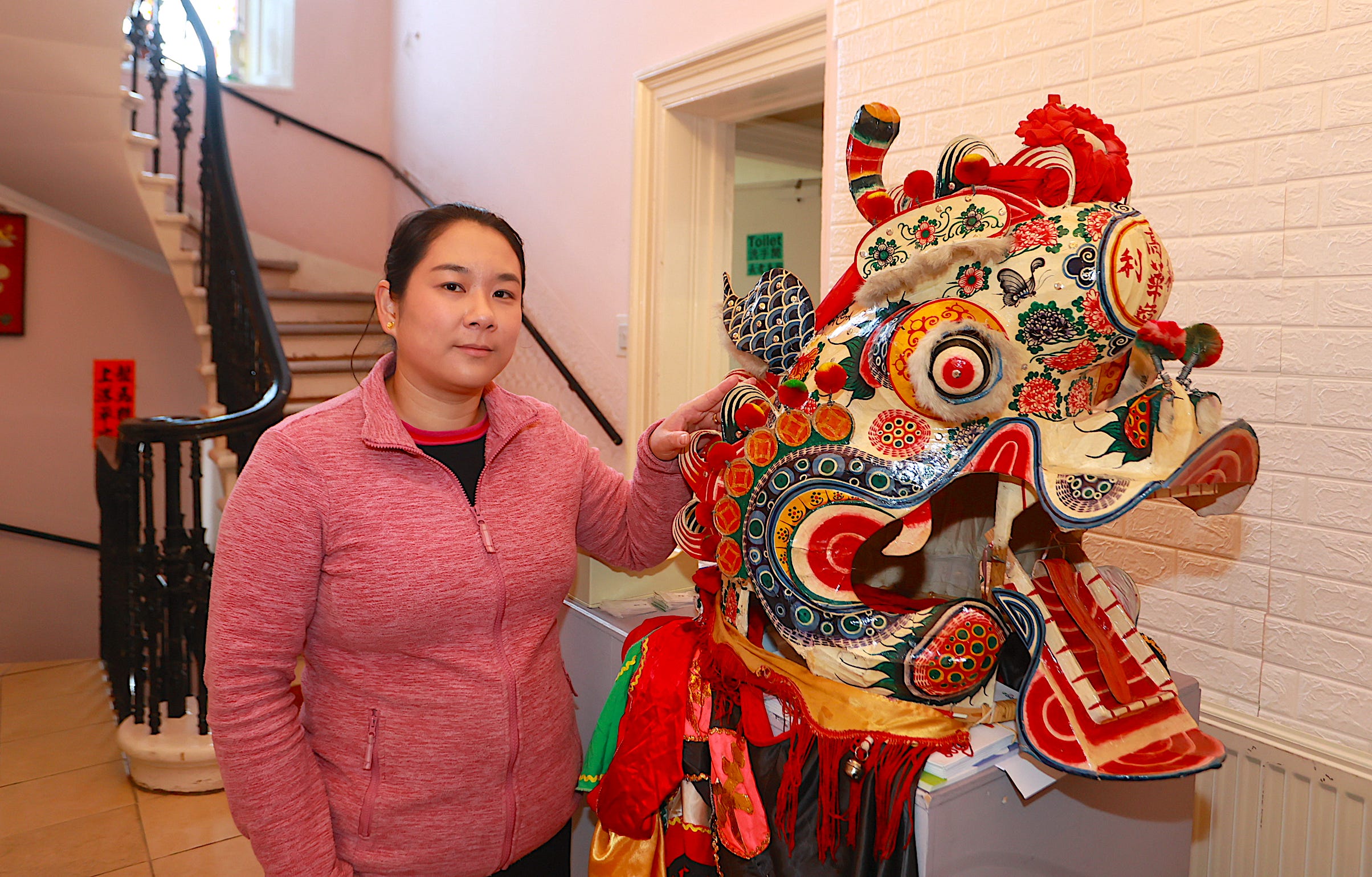
Earlier this year, a cherished Chinese unicorn statue, pictured above, from the centre was lovingly restored by the BBC’s Repair Shop team during their Glasgow roadshow.
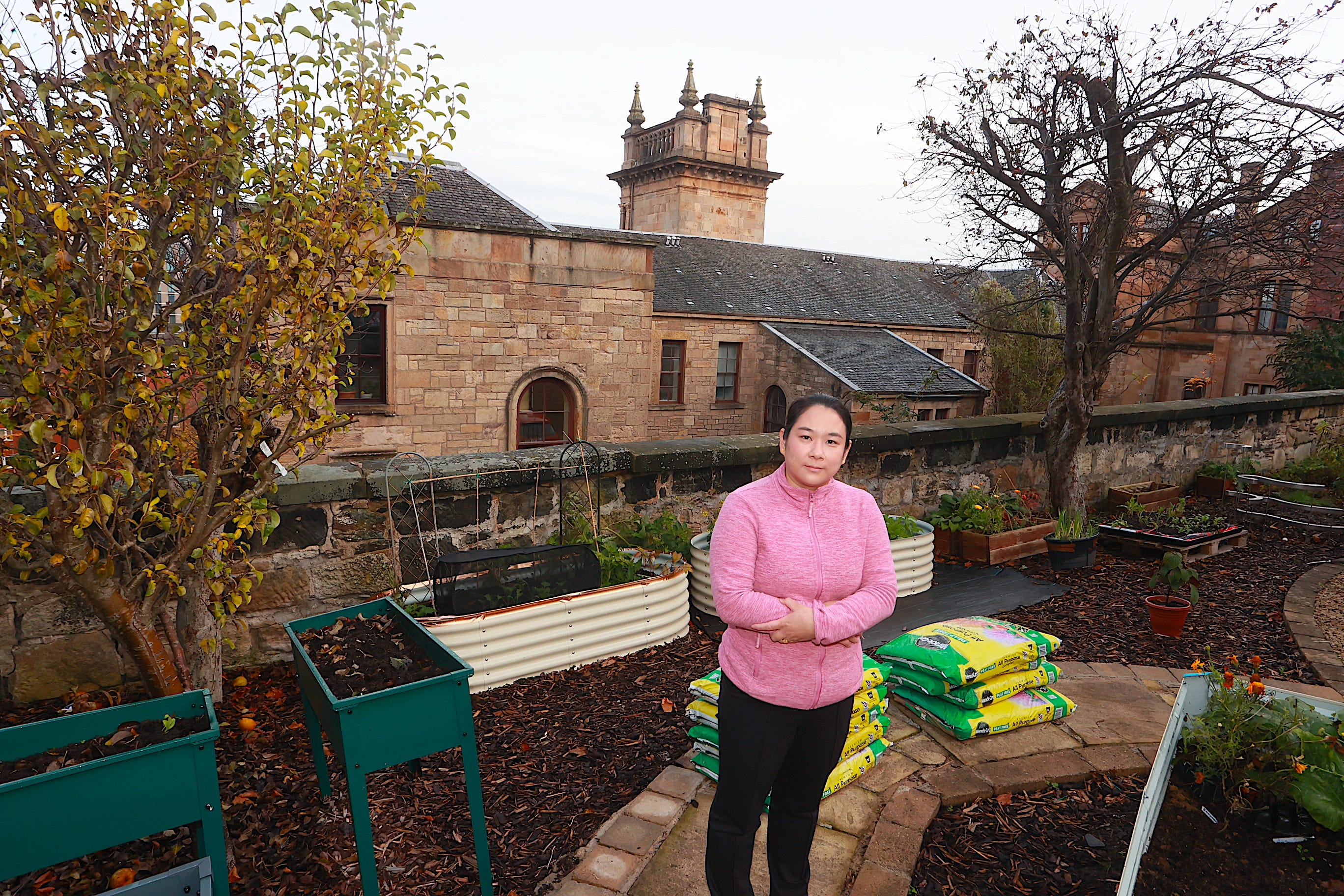
The small garden behind the building — once earmarked for a car park — has been transformed into a green oasis where members grow pak choi, Chinese chives and coriander. Outdoor cookery classes and tea gatherings bring generations together.
“It’s more than a centre,” says Amy. “It’s part of our identity. For some of our members, this is the only place they speak Cantonese all week. If we lose this space, we lose part of who we are. We want people to come and visit our garden.”
Fear for the future
For now, the Wing Hong Centre continues to operate under a rolling annual lease. Its committee hopes to become an incorporated charity (SCIO) to strengthen its legal footing in future negotiations. But without a rent reduction or long-term lease security, its future remains precarious.
“If the worst comes to the worst, we’ll have to fundraise constantly just to pay rent,” Amy says. “But that money would only go back to City Property’s agents. The only people who benefit are the property managers.”
Supporters fear the building could soon be repurposed. “As soon as we leave,”Amy adds, “I believe they’ll turn this place into student accommodation or a commercial let. The community will lose another facility, and we’ll never get it back. And the garden, another community green space, will be turned into a car park.
Alastair Bell, the group’s Transport Officer, agrees.
“It’s one of the few Chinese projects still running in Glasgow,” he says. “It’s a bad day when the city starts running its community assets for profit instead of for the people.”
A fight for Glasgow’s soul
As the group prepares to launch a public petition and campaign for community support, there’s a sense that this battle is about more than just one building.
“This isn’t only about us,” Amy says. “It’s about what kind of city Glasgow wants to be. The council says People Make Glasgow. But commercial lets don’t make Glasgow — people do. People like us, who have been here for decades, building connections.”
And the group have the support of Garnethill Community Council.
Amy added: “The community needs to stand together to campaign against this unfair treatment.
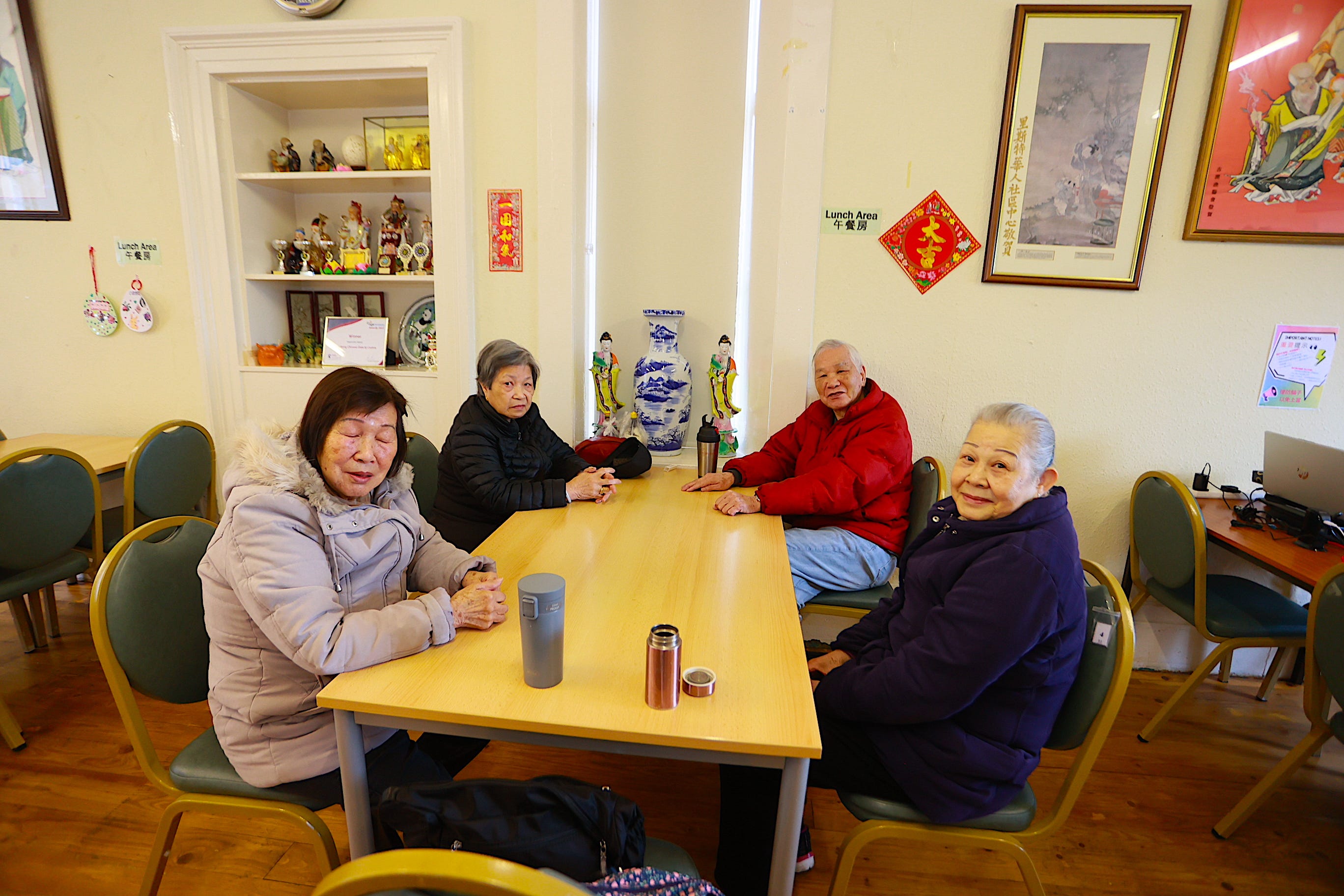
“We try to negotiate with City Property, but they don’t want to engage or take on board what we suggest. They say that if you can’t afford it then we recommend that you relocate.”
A spokesperson for the landlord, City Property Glasgow (Investments) LLP, said: “We can advise that a lease renewal has been conducted for a number of tenants, including Wing Hong Elderly Group as their previous lease had expired.
“Lease renewals are a standard process for all of our tenants given that existing leases expire and the market rental value of commercial properties changes over time”
“We would encourage our tenant to contact their property manager if they do have any concerns.”
As the women finish their massage session, someone puts the kettle on again.
The women smile, chatting softly in Cantonese. For now, the laughter and the clink of teacups fill the room — a small act of defiance against the uncertainty outside.

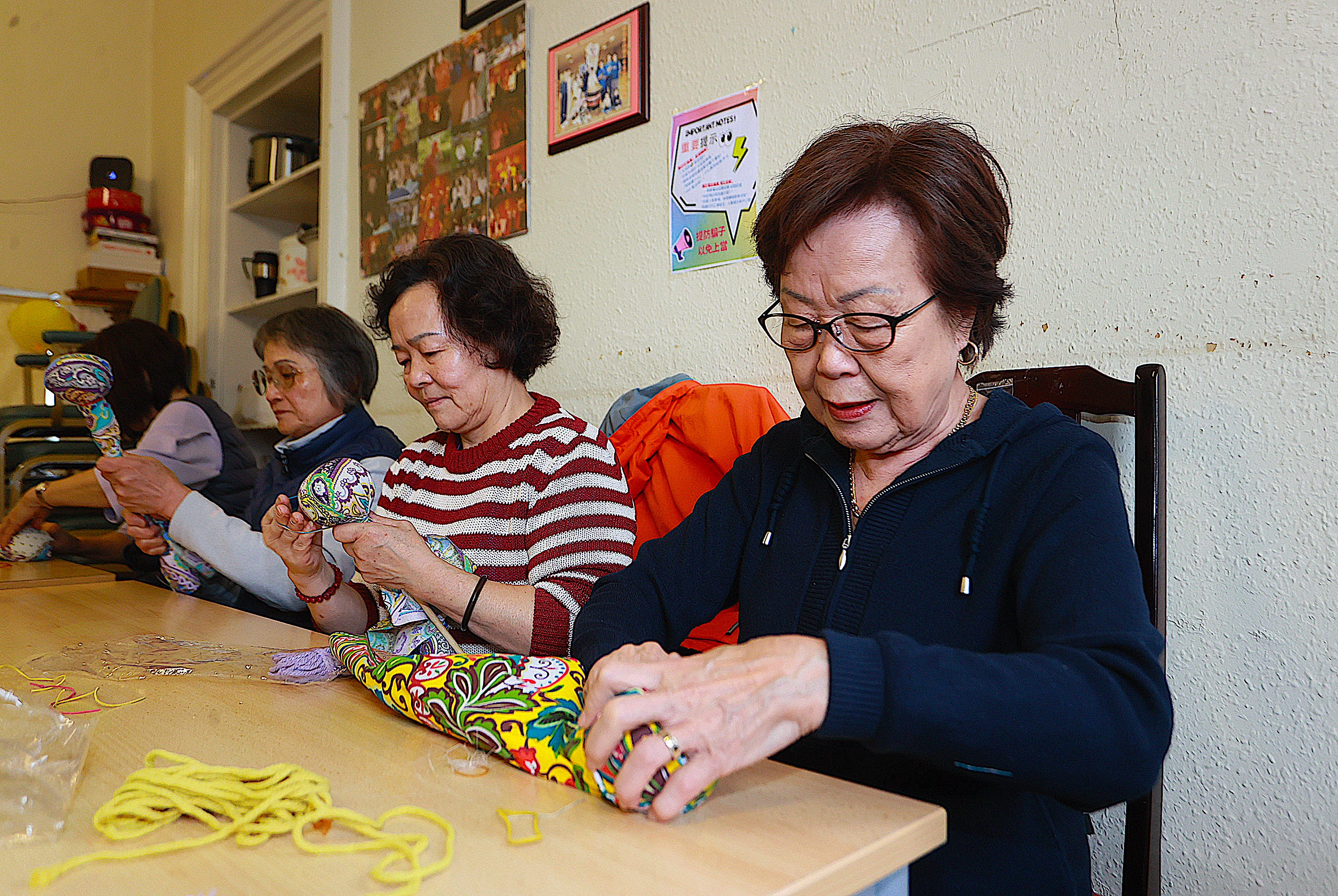
Whether the Wing Hong Centre survives its rent battle or not, its spirit, rooted deep in the heart of Garnethill, is harder to evict.
Your support can make a difference! Please call 0141 353 2523 or email contact@winghonecentre.org to get involved.
If you like community stories like the one above, why don’t you become a paid member.
Love stories like this? Join as a paid member and help our community grow!